Community-Sourced Pattern Mapping for Layered Wager Construction in Soccer, Racquet Sports, and Equine Events
Written by Olivia Neumann · Aug 22, 2026

Community-Sourced Pattern Mapping for Layered Wager Construction in Soccer, Racquet Sports, and Equine Events
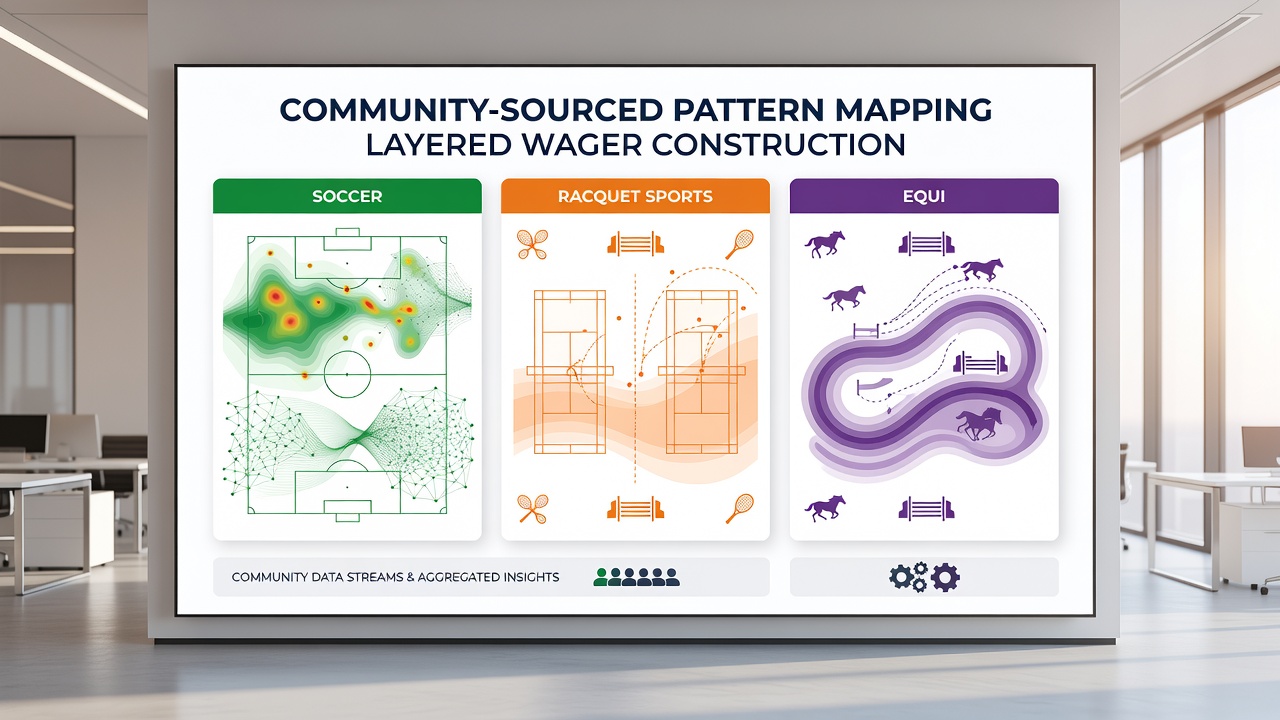
Community-sourced pattern mapping collects aggregated observations from bettors, analysts, and data enthusiasts who share statistical trends, performance indicators, and outcome correlations across digital platforms, and this approach supports layered wager construction in soccer, racquet sports, and equine events by identifying recurring sequences that link individual match variables into multi-component betting structures.
How Community Data Collection Works
Participants contribute anonymized records of match statistics, player form metrics, surface conditions, and historical results through shared databases and discussion networks, while researchers cross-reference these inputs against official league archives to validate patterns such as home-field advantage fluctuations in soccer or serve-break ratios in racquet competitions. Data aggregation occurs through structured templates that capture variables including weather impacts on equine track surfaces, injury recovery timelines in tennis tournaments, and goal-scoring sequences in European league fixtures, and the resulting maps highlight temporal clusters where specific combinations appear more frequently than random chance would predict.
Application in Soccer
Soccer communities track metrics such as expected goals differentials, set-piece conversion rates, and substitution timing effects that recur across domestic and international competitions, and these observations feed into layered wagers that combine over-under totals with both-teams-to-score propositions or handicap lines. In August 2026 major tournaments generated elevated volumes of community reports on penalty shootout tendencies following extra time, allowing pattern maps to isolate correlations between fatigue indicators and defensive lapses during late match stages. Analysts note that such mappings integrate data from multiple leagues simultaneously so that a wager might layer an English Premier League draw probability with a Serie A clean-sheet outcome when historical cross-league comparisons reveal aligned statistical footprints.
Patterns in Racquet Sports
Racquet sport enthusiasts compile records of rally lengths, first-serve percentages, and tie-break win rates under varying court speeds, and these datasets enable layered wager structures that pair individual set outcomes with total point spreads or player-specific performance thresholds. Observers have documented how surface transitions between clay and grass tournaments alter break-point conversion sequences, and community platforms aggregate thousands of match logs to flag periods when underdogs achieve elevated upset frequencies following consecutive long matches. Such mappings support construction of wagers that combine first-set winner selections with total games over lines when pattern analysis shows consistent deviations from baseline probabilities during specific tournament rounds.
Equine Events and Track Data Integration
Equine racing communities maintain extensive logs of jockey-trainer combinations, post-position impacts, and pace scenario outcomes across different track distances and surfaces, and these records support layered wagers that merge win-place selections with exotic pools such as exactas or trifectas when mapped patterns indicate recurring favorite pace collapses. Research from the Australian Gambling Research Centre has examined how community-contributed pace maps align with official stewards' reports to highlight distance-specific biases that recur during certain seasonal windows. Pattern mapping further connects weather-adjusted track variants with historical claiming-race results so that a single wager structure might incorporate multiple horses across consecutive races when data clusters reveal correlated speed-figure progressions.
Constructing Layered Wagers from Mapped Patterns
Layered wager construction begins with identification of primary pattern clusters, after which secondary variables such as live odds movement and cross-sport timing alignments are overlaid to refine entry points. Practitioners combine soccer goal-line data with racquet sport total-point indicators when community maps show simultaneous deviations during overlapping tournament schedules, and equine event pace figures add a third layer when track conditions mirror historical sequences documented in shared databases. The process relies on weighting community inputs according to verification rates against official statistics, and platforms that facilitate this mapping often display confidence intervals derived from sample sizes exceeding several thousand contributed records per sport category.
Developments Observed Through August 2026
By August 2026 community platforms had expanded real-time submission tools that allow immediate upload of in-play observations during live soccer matches, ongoing racquet tournaments, and equine race meetings, and these enhancements produced denser pattern maps with shorter latency between data contribution and wager-layer application. Regulatory frameworks in multiple jurisdictions continued to require transparency around data sourcing methods, and industry reports from the National Center for Responsible Gaming documented increased scrutiny of how aggregated community inputs influence automated betting interfaces. The resulting maps demonstrated tighter clustering around specific event types, particularly when major equine festivals overlapped with international soccer windows and prominent racquet tournaments.
Conclusion
Community-sourced pattern mapping supplies structured datasets that support layered wager construction across soccer, racquet sports, and equine events by connecting verified statistical sequences into multi-component betting formats, and ongoing platform developments through August 2026 have accelerated the speed and granularity of these mappings while maintaining alignment with official performance records and regulatory oversight requirements.