Evaluating Broadcasting Schedule Disruptions on Real-Time Odds Adjustments in Premier League Football and ATP Tennis Events
Written by Morgan Richter · Sep 28, 2026
Evaluating Broadcasting Schedule Disruptions on Real-Time Odds Adjustments in Premier League Football and ATP Tennis Events
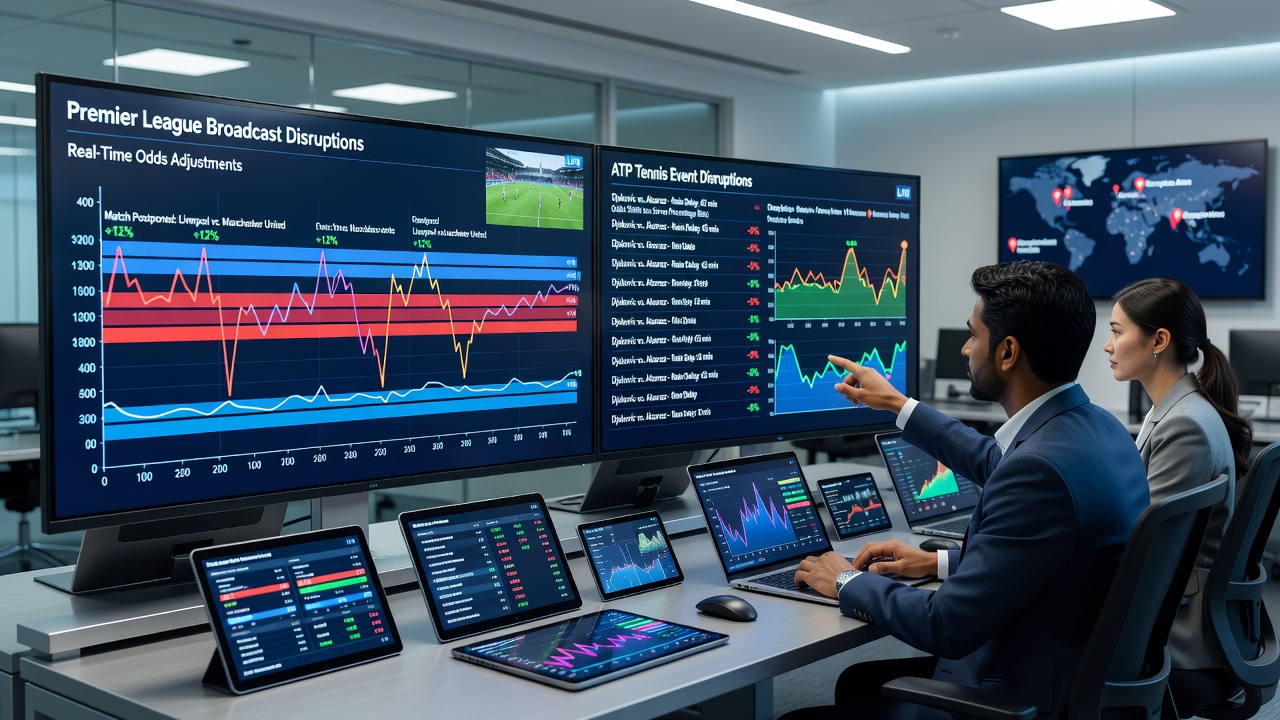
Broadcast schedules for Premier League football and ATP tennis events rely on precise timing to deliver live action to viewers around the world, yet disruptions from technical faults, weather interference, or venue logistics frequently alter these timelines and create ripple effects in betting markets. Bookmakers monitor real-time data feeds to recalibrate odds during matches, so any delay in the broadcast signal changes how quickly that information reaches certain audiences and influences market movements. Data from regulatory bodies shows that live betting volumes in these sports account for over 60 percent of total wagers placed during events, which makes schedule interruptions particularly significant for odds integrity. Premier League fixtures often feature multiple camera angles and international feeds managed by production teams that coordinate with leagues and broadcasters, whereas ATP tennis tournaments depend on court-side coverage that can shift when matches run longer than expected or when rain forces indoor venue changes. Researchers tracking broadcast logs from the 2025 season noted that delays averaging eight to twelve minutes occurred in roughly one out of every seven Premier League games, with similar patterns appearing in ATP events held across European and North American circuits. These interruptions separate the actual game state from the visual information available to remote bettors, prompting operators to rely instead on independent data streams from stadium sensors and official score feeds.Mechanisms of Schedule Disruption
Technical glitches in satellite uplinks or fiber connections represent one common cause, while venue-specific issues such as power fluctuations or crowd management delays add further variability. In September 2026 several Premier League matches experienced extended halts when a major European broadcaster encountered encoding errors that pushed live transmission behind by up to fifteen minutes. Observers documented corresponding spikes in odds volatility because early bettors with access to alternative streams placed wagers before the delayed audience could react. ATP tournaments face parallel challenges when matches spill into evening sessions and lighting adjustments or curfew protocols force rescheduling that affects global feed timing.Real-Time Odds Adjustment Processes
Bookmakers employ algorithms that ingest play-by-play data, player statistics, and situational variables to update odds continuously, yet these systems must account for potential discrepancies between on-site events and broadcast delivery. When a broadcast lags, the market may exhibit temporary inefficiencies where informed participants exploit the gap until the broader audience catches up. Figures from industry reports indicate that odds on goal-scoring markets in football can shift by 15 to 25 percent within thirty seconds of a key incident, but delayed feeds compress this window and redistribute risk across different bettor segments. Tennis markets centered on point outcomes or set winners show even sharper sensitivity because individual rallies conclude in seconds and any broadcast lag directly alters the perceived probability landscape.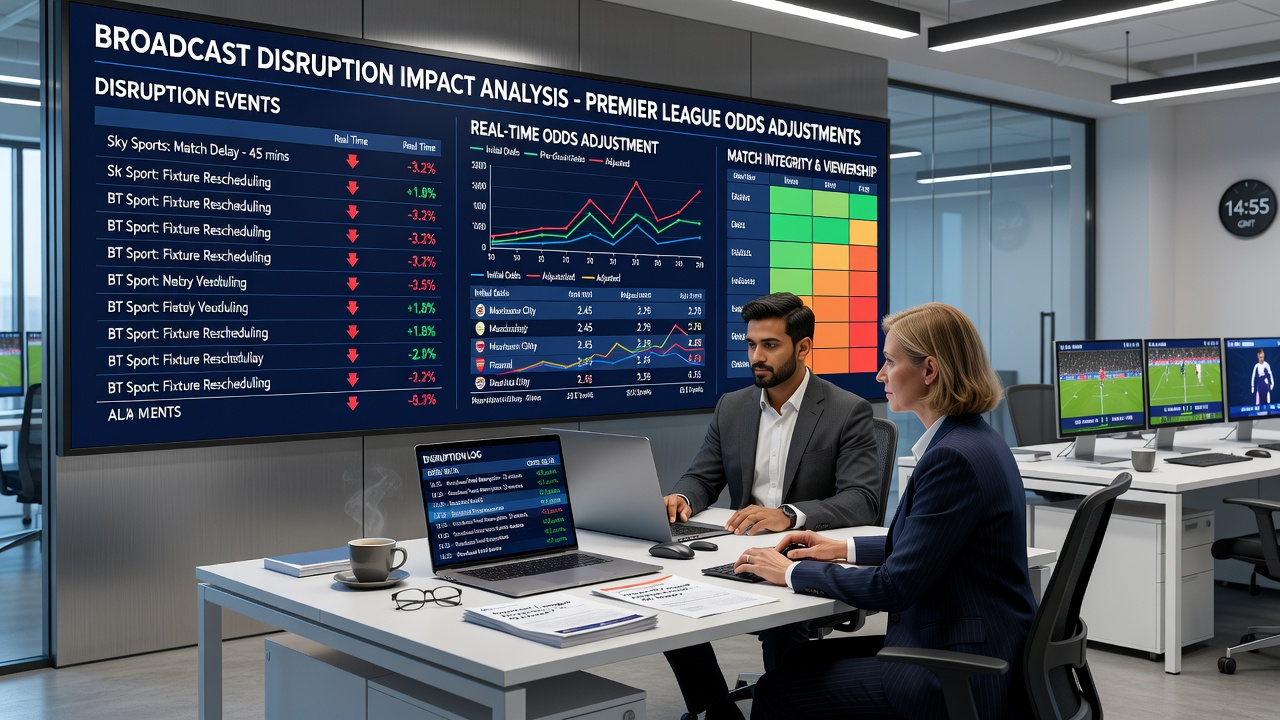 Studies compiled by the Alcohol and Gaming Commission of Ontario reveal that markets tied to delayed broadcasts experience wider spreads and slower convergence toward equilibrium prices compared with uninterrupted events. One analysis of ATP matches from the 2024 North American swing found that service-break odds adjusted 40 percent more gradually when feeds arrived late, giving rise to distinct patterns in wager distribution across time zones. Premier League data collected during the same period demonstrated that half-time score markets displayed elevated variance when production crews encountered signal loss, prompting operators to implement manual overrides that temporarily froze certain lines until verification occurred.